


Popular Search
How To Recover Deleted Files For APK Users: A Complete Step-by-Step Guide

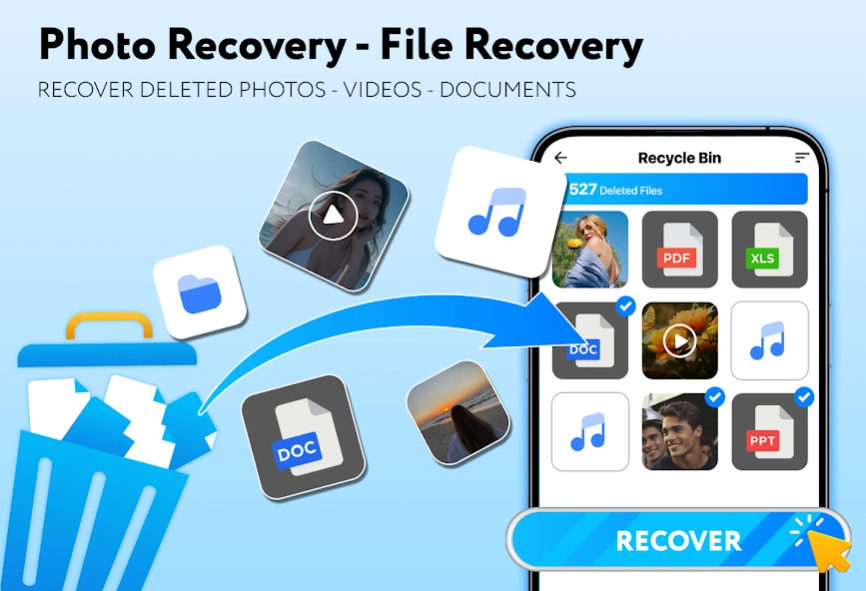
Have you ever accidentally deleted important APK files, saved game data, or document files from your Android device? In this guide, you'll discover a simple, actionable process to get your lost files back without needing advanced technical skills. By the end, you will know how to recover most common file types safely and efficiently.
How will this file recovery process change your experience as an APK user? Losing important app data, custom mod files, or work documents can disrupt your routine and cost you hours of progress. But it's important to understand that most deleted files are still recoverable if you act quickly and follow the right steps, which we will break down for you here.
Why File Recovery Is Worth Your Time
- Retrieve lost APK and app data: You can restore saved progress for your favorite mobile games, custom APK mod files, and app configurations that took hours to set up. This saves you from re-downloading or reconfiguring all your apps from scratch.
- No need for expensive professional services: Most basic file recovery tasks for Android devices can be done at home with free or low-cost tools designed for regular users. You won't have to pay high fees to data recovery specialists for common file loss cases.
- Protect personal and work files: You can recover important photos, documents, and personal records that you may have stored on your device alongside your APK files. This ensures you don't lose irreplaceable personal or work-related data.
- Simple process with minimal technical skill required: Modern file recovery tools are designed with user-friendly interfaces, so you don't need coding or advanced tech knowledge to use them. You can complete the whole process in just a few steps with clear instructions.
Step-by-Step Guide to Recover Files
Step 1: Stop using your device immediately after data loss
As soon as you notice you have deleted files by mistake, stop installing new apps, taking photos, or saving new data to your device. New data can overwrite the space where your deleted files are stored, making them permanently unrecoverable.
Common mistake to avoid: Continuing to use your device normally after noticing missing files, as this drastically reduces your recovery success rate.
Step 2: Choose a reliable file recovery tool compatible with Android
Select a trusted file recovery tool that supports Android devices and can scan for APK files, media, and documents. Look for tools with positive user reviews and clear compatibility information for your Android version. Avoid unvetted tools from unknown sources, as they may contain malware that harms your device.
Pro tip: Prioritize tools that offer a free preview feature, so you can check if your files are recoverable before paying for full access.
Step 3: Enable USB debugging on your Android device
Go to your device's Settings, find the About Phone section, and tap the Build Number seven times to unlock Developer Options. Then go into Developer Options and turn on USB debugging, which allows the recovery tool to access your device's storage. Follow any on-screen prompts on your device to confirm the connection to your computer.
Common mistake to avoid: Skipping this step or granting partial access permissions, which will prevent the tool from scanning your full storage.
Step 4: Scan your device for deleted files
Connect your Android device to your computer via a working USB cable, then open your chosen file recovery tool. Select the types of files you want to recover (APK files, documents, photos, etc.) to narrow down the scan and save time. Run a full scan of your device's internal storage and any external SD card you have installed.
Pro tip: A full deep scan may take 20 to 40 minutes depending on your storage size, so avoid disconnecting your device during the process.
Step 5: Preview and select the files you want to recover
Once the scan is complete, browse through the list of recoverable files and use the preview feature to confirm they are intact and the correct versions. Pay special attention to your APK files and app data folders, as these are often a top priority for APK users. Select all the files you wish to restore to avoid missing any important items.
Step 6: Recover and save files to a secure location
Choose a save location on your computer or an external drive for the recovered files, not back to your Android device's internal storage during this step. Saving to your device immediately can overwrite other deleted files you may want to recover later. Wait for the recovery process to complete fully before disconnecting your device.
Step 7: Back up your restored files to avoid future loss
After you confirm all your files are successfully recovered, transfer the important ones back to your device if needed. Set up an automatic backup system for your APK files and important data, either to a cloud service or an external storage device. This will make future recovery much faster if you experience data loss again.
Challenges to Be Aware Of
- Overwritten data risk: If you continue using your device after deleting files, new data may replace the deleted files before you can run a recovery scan. There is no way to recover overwritten files with standard tools, so always stop using your device as soon as you notice missing data.
- Compatibility issues with newer Android versions: Some older file recovery tools may not work with the latest Android security features, which restrict access to internal storage. Always check that the tool you choose supports your specific Android version before starting the process, or look for tools that offer updated compatibility.
- Partial file corruption: In some cases, recovered files may be partially corrupted if parts of their storage space were already used for new data. Always preview files before recovering them to confirm they are fully intact, and prioritize recovering your most important files first.
- Time investment for deep scans: A full deep scan of a device with 128GB or more storage can take an hour or longer to complete. You will need to set aside enough time for the scan to run without interruption, so plan to start the process when you don't need to use your device for other tasks.
Conclusion
You now have the foundation to start recovering lost files on your Android device as an APK user. The steps we outlined are designed to be accessible for all skill levels, so you don't need technical expertise to use them. Take a moment to confirm you have all the necessary tools before you start any recovery attempt.
File recovery offers you the chance to get back hours of lost progress, important personal files, and custom APK configurations you worked hard to create. By mastering this process, you're positioning yourself to handle unexpected data loss quickly and with minimal stress whenever it happens.
Don't wait for the perfect moment. Start testing the recovery process with a trusted tool today to familiarize yourself with the steps before you experience an emergency data loss situation. The more you practice, the faster and more confident you will be when you need to use these skills for real.
FAQ
How long does it take to recover lost files as an APK user?
The total time depends on your storage size and the type of scan you run, but most basic recovery processes take between 30 minutes and 2 hours total. A quick scan for recently deleted files may take just 15 to 20 minutes, while a full deep scan for older lost files can take longer. Set aside enough time to let the process run fully before you start, and don't rush through any steps to avoid mistakes. Start with a quick scan first to see if your most important files show up right away.
Do I need to root my Android device to recover deleted APK files?
Many modern file recovery tools can retrieve basic files like photos, documents, and downloaded APKs without rooting your device. For deeper access to app-specific data and hidden system files, you may need to root your device, but that carries security and warranty risks. Always try the non-root recovery options first before considering more advanced methods. Check the documentation for your chosen recovery tool to see what features are available without rooting.
What's the best way to recover saved game data from deleted APK files?
First, check if your game saved data was synced to a cloud account associated with the game, as that is the easiest way to restore it. If there is no cloud backup, run a full deep scan with your recovery tool and look for the game's specific data folder in the internal storage results. Many games store saved data in folders with the same name as the app package, so search for that to narrow down your results. Prioritize recovering these data folders first before other less important files.
Can I use these recovery methods to get back APK files I downloaded from third-party sources?
Yes, most recovery tools will recognize APK files regardless of where you downloaded them from, as long as they were saved to your device's internal or external storage. The recovery process works the same for APK files from official app stores and third-party sources. Just make sure to scan for APK file types specifically when you set up your scan parameters. After recovery, scan the APK files with antivirus software to confirm they are safe before reinstalling them on your device.


RECOMMEND ARTICLES
Most Read

How To Find Your True Inner Desires And Achieve Them

How To Earn Free Rec Tokens To Unlock Limited Brand Collab Avatar Skins & Full Outfits

How To Edit Pre-Existing Sims Using CAS Mode In Sims 4

How To Get Free And Rare Blox Fruits Easily

How To Grow A Garden With Stealer Script: A Complete Player's Guide

What Does Your Foot Shape Says About You?
Subscribe For New Quizzes

Copyright © 2019-2026 | All rights reserved.