


Popular Search
The Tactician’s Wardrobe: A Guide To Sourcing And Styling Authentic Military Surplus

Let us be completely honest about modern outdoor gear: it has become incredibly expensive. Walk into any major outdoor retail outlet today, and you will find lightweight rain jackets and hiking trousers priced at 300 to 500 USD. While those garments certainly have their place, they often lack the rugged, bombproof durability needed for truly demanding work, dense brush, or everyday wear-and-tear.
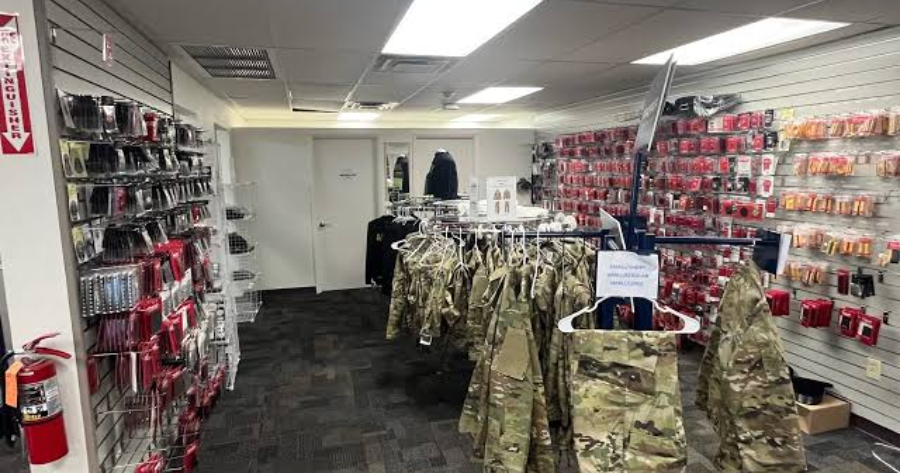
This is where ex-military apparel—commonly known as military surplus—shines.
Built to survive the harshest environments on earth, military-grade gear offers a level of build quality, material science, and pure utility that commercial fashion simply cannot match at this price point. If you want to build a durable, weather-resistant, and timeless wardrobe without overspending, this guide will help you navigate the world of authentic military surplus.
1. The Science of Mil-Spec: Durability That Outlasts Trends
When a civilian clothing company designs a jacket, they prioritize profit margins, trend cycles, and aesthetic appeal. When a government drafts a military specification (Mil-Spec) contract, they prioritize one thing: keeping a soldier dry, warm, and operational under extreme duress.
This functional focus results in textiles and construction methods that are virtually indestructible:
-
Advanced Fabric Blends: Many military garments utilize NYCO—a specialized weave of 50 percent nylon and 50 percent cotton. This blend offers the breathable, skin-friendly comfort of cotton alongside the extreme abrasion and tear resistance of heavy-duty nylon.
-
Ripstop Technology: If you look closely at military shirts and trousers, you will notice a distinct grid pattern. This is ripstop weaving, which incorporates thick reinforcement threads at tight intervals to prevent a small snag or puncture from spreading into a major tear.
-
Reinforced Stress Points: Military garments feature triple-stitched seams, heavy-duty bar tacks at pocket corners, and double-layered fabric on high-wear areas like elbows, knees, and seat panels.
-
Hardware That Never Fails: From massive brass YKK zippers to heavy-duty, field-repairable Canadian tape buttons, every fastening mechanism is designed to be operated with thick gloves in sub-zero temperatures.
2. The Art of the "Rule of One" Styling
One of the biggest concerns people have when buying military clothing is looking like they are heading into active combat or playing paintball. The key to successfully integrating surplus gear into your daily life is a simple style guide: The Rule of One.
To pull off military garments with effortless, timeless style, only wear one prominent surplus piece at a time. Balance the rugged utility of the military gear with clean, modern civilian basics:
| Military Surplus Piece | How to Style It (Civilian Balance) | Occasion |
| M-65 Field Jacket (Olive Drab) | Pair with dark-wash slim denim, a plain white crewneck t-shirt, and clean leather boots. | Casual weekends, evening strolls, and travel days. |
| Gore-Tex Parka (French CCE or British DPM) | Pair with a sleek, fitted black hoodie, dark gray chinos, and minimalist weather-resistant sneakers. | Rainy commutes, urban exploring, and wet-weather hikes. |
| Tactical Cargo Trousers (Solid Coyote or Khaki) | Pair with a fitted, high-quality navy knit sweater and casual canvas shoes. | Outdoor work, camping, or running errands in comfort. |
| Wool Commando Sweater (Navy or Olive) | Pair with structured raw denim and classic work boots. | Crisp autumn days, backyard gatherings, and casual office wear. |
3. The Buyer’s Guide: Decoding Sizing and Authenticity
Buying military surplus online can be incredibly rewarding, but it requires a bit of insider knowledge. Because governments do not use standard retail sizing (like Small, Medium, or Large), and because the market is flooded with cheap commercial replicas, you need to know how to spot the real deal.
Decoding NATO Sizing
Most European and modern Western military forces use the NATO sizing system, which relies on direct measurements rather than subjective retail labels. The tag will usually feature an eight-digit code (such as 7080/9000).
-
The first four digits represent the height range of the wearer (7080 means 170 to 180 centimeters tall).
-
The last four digits represent the chest or waist size (9000 means a 90 to 100 centimeter chest or waist).
Always measure yourself with a flexible tape measure before buying, and rely on these metric measurements rather than guessing your standard retail size.
Spotting the National Stock Number (NSN)
To ensure you are buying genuine government-contracted gear and not a cheap, low-quality commercial imitation, look at the internal white tag. Genuine US military surplus will always feature a 13-digit National Stock Number (NSN) and a formal contract code (such as DLA or SPM). If the tag looks generic, features brand names, or lacks an NSN, it is likely a commercial replica.
Understanding Condition Ratings
Surplus dealers use a standardized grading system to describe the condition of their stock. Make sure you read these carefully before purchasing:
-
Super Grade (or Like New): Unissued, brand-new gear that has spent its life sitting in a climate-controlled warehouse. This is the gold standard for buyers.
-
Grade One (Excellent): Lightly used but fully functional. There might be some minor fading, a soldier's name written on the label, or very light wear, but there are no holes, tears, or missing parts.
-
Grade Two (Good/Utility): Showing clear signs of field use. These items may have professional repairs, minor staining, or significant fading. They are perfect for rugged work, gardening, or painting where aesthetics do not matter.
4. Sustainability and Unbeatable Value
In an era dominated by fast fashion—where cheap garments are designed to fall apart after a single season—military surplus represents the ultimate form of sustainable shopping.
These garments have already been manufactured, often decades ago, meaning your purchase requires zero new textile resources, chemical dyes, or global shipping footprints. You are rescuing high-quality, historical garments from warehouses and giving them a second life.
Furthermore, the value-to-cost ratio is unmatched. An authentic, heavy-duty British Windproof Smock or a Swiss Wool Blanket Coat can often be found online for under 50 USD. To buy a civilian equivalent with comparable stitching, wind-proofing, and fabric density, you would easily spend three to four times that amount.
Frequently Asked Questions
Q: Why does some military surplus have a distinct, musty smell when it arrives?
A: That signature "surplus smell" is actually a protective compound (often a light pesticide or anti-mildew treatment) applied by military logistics teams to protect fabrics while sitting in storage crates for decades. To get rid of it, simply wash the garment on a cool cycle with a cup of white vinegar, then hang it outside in the fresh air and direct sunlight for a day.
Q: Can I dye military surplus clothing?
A: Yes! If you love the design of a military jacket but do not want to wear camouflage or military olive, you can easily dye it. Because NYCO and cotton-blend fabrics absorb dyes beautifully, a single bottle of dark grey, navy blue, or black fabric dye can instantly transform a camo jacket into a sleek, high-end urban utility piece.
Q: Are surplus boots a good purchase for everyday hiking?
A: Surplus boots are incredibly durable, but they are often quite heavy and require a long, sometimes painful break-in period compared to modern civilian trail-runners. If you buy surplus boots, make sure they are Grade One or better (to ensure the leather hasn't molded to someone else's foot footprint) and pair them with high-quality merino wool socks.
Sources & Reference Material
-
The Defense Logistics Agency (DLA): Official standards, specifications, and contract histories for United States military combat uniforms and cold-weather gear.
-
NATO Standardization Office (NSO): Sizing guidelines, garment labeling protocols, and uniform distribution frameworks across member countries.
-
The Textile Institute: Peer-reviewed material performance data comparing NYCO blends to standard commercial cotton and polyester weaves.
Gear Care Disclaimer
The sizing, fit, and protective qualities (such as flame retardancy or water repellency) of ex-military clothing are highly dependent on the era of manufacture, country of origin, and storage conditions. Vintage garments may lose their original water-resistant coatings over time; however, these can be easily restored at home using commercially available wash-in waterproofing treatments. The author is a gear reviewer and does not operate a commercial retail shop. Always review individual seller return policies and condition grades before finalizing a surplus purchase.

RECOMMEND ARTICLES
Most Read

Is Your Name One In A Million? A Simple Step-by-Step Guide To Test Its Rarity

How To Identify People Who Would Betray You: A Practical Guide For Ordinary People

Test How Many People Have The Same Name As You?

Navigating Senior Housing Options For The 55+ Community

Decoding The 7 Chakras: What Each One Reveals About You!

8 Unique Wedding Customs Around The World!
Subscribe For New Quizzes

Copyright © 2019-2026 | All rights reserved.